Call for Pre-Qualification Applications - SOGREA accelerating rural electrification in Sierra Leone

Discussion details
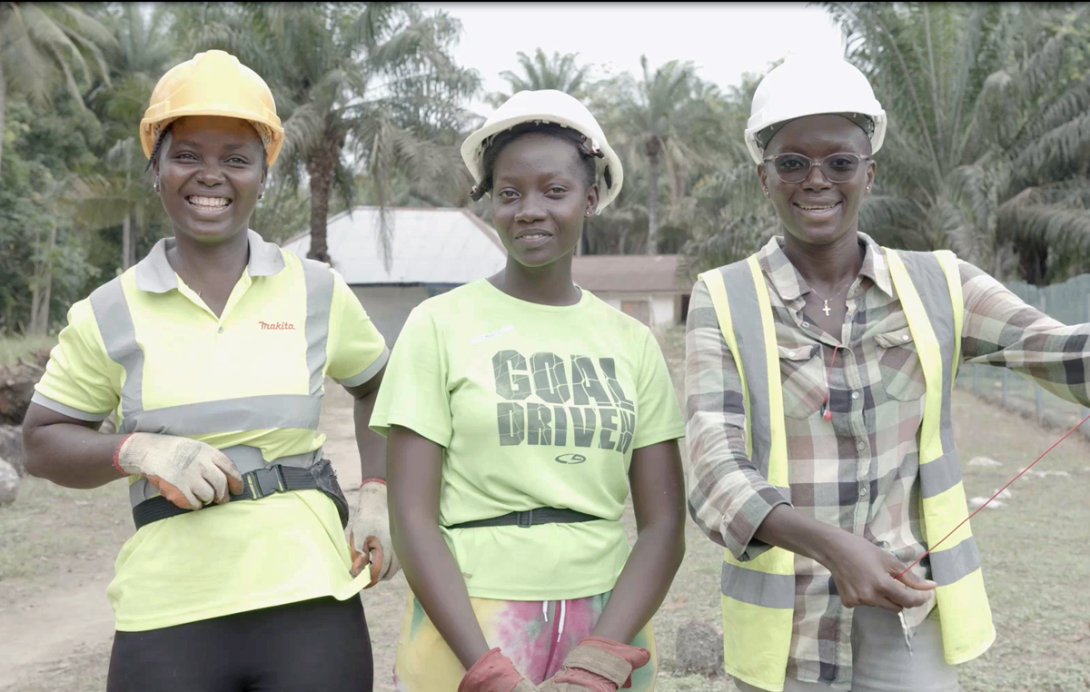
On 26 January 2026, Sierra Leone took a major step towards universal, affordable and clean electricity access as the Salone Off-Grid Renewable Energy Acceleration (SOGREA) Initiative launched its first Call for Pre-Qualification Applications for private developers to build and upgrade green mini-grids in rural communities. Backed by a EUR 24 million grant from the European Union and Denmark, SOGREA is a key pillar of the Global Gateway commitment to deliver climate-resilient infrastructure in partner countries—strengthening connectivity, supporting inclusive growth and advancing the green transition where it matters most: in underserved communities.
Announced during a live-streamed event hosted by Sustainable Energy for All (SEforALL) on the International Day of Clean Energy, SOGREA is designed to crowd in private capital and accelerate rural electrification by reducing investment risk and improving commercial viability. Its model is straightforward: provide performance-based capital support to cover part of the upfront costs of mini-grid development, with payments released only once independently verified milestones are achieved. By bridging the gap between the true cost of supply and what households and small businesses can afford, the initiative aims to lower tariffs while expanding connections, reinforcing Sierra Leone’s ongoing sector reforms on regulation and transparent tariff setting.
As H.E. Jacek Jankowski, EU Ambassador to Sierra Leone, underlined, “successful rural electrification requires more than just funding; it demands a strategic partnership between visionary government leadership and efficient private sector involvement.” The call is a direct invitation to build that partnership—mobilising capable operators to deliver results quickly and at scale.
Building on what works: lessons from the Rural Renewable Energy Project (RREP)
SOGREA builds on a strong foundation laid by earlier efforts to expand energy access, including the Rural Renewable Energy Project (RREP), implemented from October 2016 to December 2023 with UNOPS support. RREP demonstrated how decentralised renewable solutions can deliver tangible benefits when aligned with national priorities and local needs. By June 2024, RREP had installed 4.6 MW of generation capacity, electrifying 93 rural communities and connecting 22,649 households, businesses, schools, 100 Community Health Centres (CHCs) and other public institutions.
The project’s focus on social infrastructure showed the broader value of electrification beyond household lighting. With reliable solar power, CHCs could strengthen service delivery—supporting equipment use and refrigeration for medicines and vaccines, while improving conditions for care, including at night. Monitoring also pointed to increased utilisation of services following electrification, reflecting the difference that dependable power can make for community wellbeing.
RREP also helped test market-based approaches to long-term sustainability. A competitive selection process enabled private operators to bid to run village mini-grids, with selected companies signing Public-Private Partnership agreements in December 2018—an early signal that private sector participation is essential for reliable operations and maintenance over time.
Turning momentum into scale: what SOGREA changes
SOGREA takes these lessons and applies them to a faster, more scalable pathway. The Call for Pre-Qualification sets clear requirements: applicants must be licensed, for-profit mini-grid developers registered to operate in Sierra Leone; demonstrate experience delivering green mini-grids in Sub-Saharan Africa; have the capacity to deliver new projects within 12 months; and integrate smart meters. It also embeds inclusion into the market-building model, requiring at least 30% female representation across administrative and operational roles.
Pre-Qualification applications are accepted on a rolling basis, with submissions closing on 9 March 2026. Successfully pre-qualified developers will then be invited to submit site-specific proposals, with funding decisions made first-come, first-served until resources are allocated.
By linking support to verified delivery, aligning with national reforms, and putting private investment at the centre of the solution, SOGREA aims to become a benchmark model for rural electrification—helping Sierra Leone expand energy access, strengthen local economies and advance climate-resilient development across the country.
Log in with your EU Login account to post or comment on the platform.