Cameroon at the crossroads: why private certification is key for protecting the country’s beleaguered tropical forests.
Discussion details
European Union support is more essential than ever as the Yaoundé government tries to balance economic growth with environmental sustainability. Certified timber and non-timber products offer access to European markets, and an opportunity for higher prices and more sustainable supply chains.
2026 could prove to be a significant year for Cameroon’s timber industry. With a share of around six percent of Gross Domestic Product (GDP), forestry is Cameroon’s third largest economic sector but a decline in the export of unprocessed timber saw revenues slump by around €27 million between January and March last year.
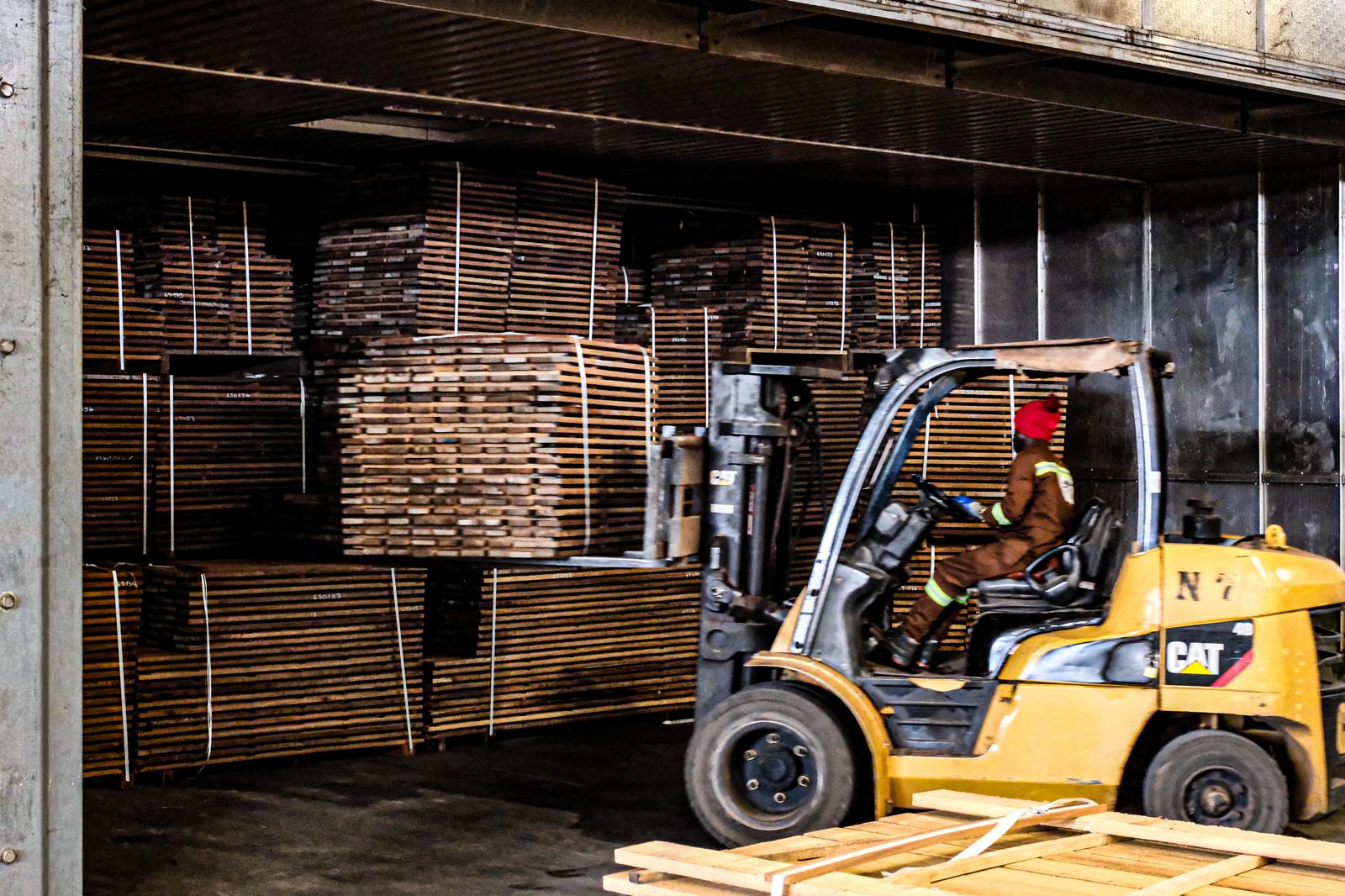
But far from being downbeat, timber industry insiders are embracing the opportunities offered by certification, banking on higher prices and access to increasingly demanding markets, including the EU. Certification can be confusing — labels such as Forest Stewardship Council (FSC), Pan African Forest Certification (PFAC), Origine et Légalité des Bois (OLB), Fair & Precious, Fairtrade and the Rainforest Alliance can all be found on Cameroonian timber, cocoa and non-timber forest products. But despite the additional paperwork involved, more and more local timber companies are signing up to ethical and sustainable certification.
“For Cameroonian companies, certification provides easier access to demanding international markets, particularly in Europe, where regulations on the legality and sustainability of timber are gradually being strengthened,” says Benoit Jobbé-Duval, Managing Director of the International Technical Tropical Timber Association (ATIBT), the trade association behind the Fair & Precious label. “Certification is a tool for economic differentiation for Cameroonian timber. It makes it possible to move away from competition based solely on price — but only if the market is willing to pay a premium.”
That’s a big “if”, but with the support of the EU’s Forests For the Future Facility (F4), Jobbé-Duval is confident that certified timber and forest product exports are the way ahead. “Forest certification plays a strategic role in Cameroon's forest value chains, providing international credibility, a lever for sustainability and an instrument for structuring the sector. In a context marked by strong pressure on tropical forests, certification is a tangible sign that forest management is based on recognised principles of legality, environmental sustainability, social responsibility and economic viability.”
Certification supports compliance
Certification becomes even more significant as the deadline for complying with the new European Regulation on Deforestation-free Products (EUDR) gets closer. Originally scheduled for implementation at the end of 2025, the EUDR is now set to come into force in early 2027. Any company wanting to import forest or non-forest products into the EU — not only wood but products such as coffee and cocoa — will have to show they comply with strict environmental and human rights rules. And, says Claudia Antonelli, Cooperation Officer with the EU Delegation to Cameroon, while certification is no guarantee of EUDR compliance, it will certainly help.
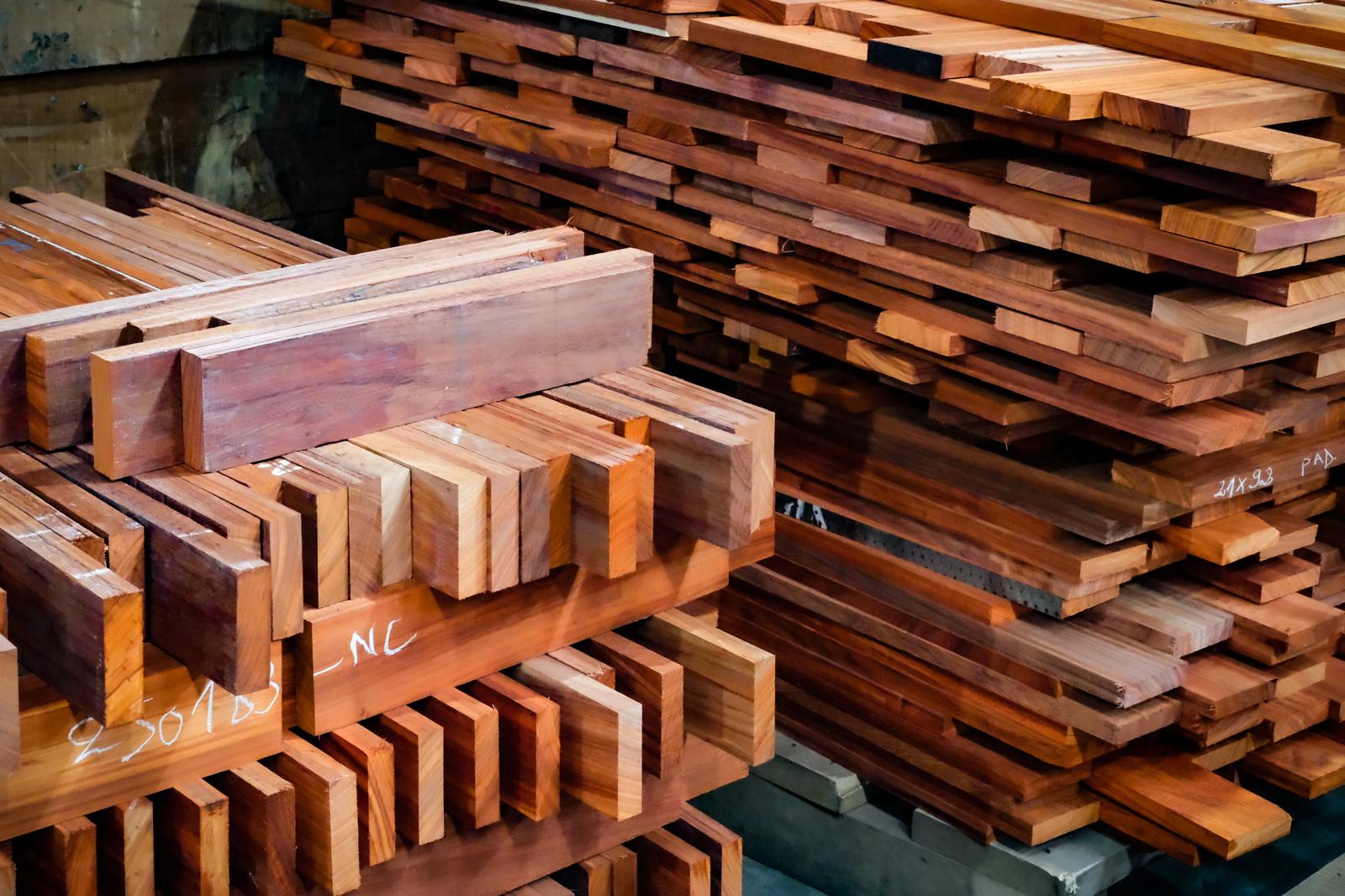
“Even though certification does not exempt companies exporting to Europe from their due diligence obligations under the EUDR, it provides assurances and a strong rationale for this process,” she says. “Through certification, forestry companies gain and consolidate their position in the timber market, a market that offers better prices.”
The rationale for certification, and the benefits it brings, is increasingly voiced by leading figures within Cameroon’s forestry industry. “Certification is important for forestry value chains because it imposes legal and standard practices that guarantee good forest governance promoting sustainable development of forest resources and benefiting all,” says Marti Cyrille Nkie, Director General of SYNEFOR, the National Employers' Union for Responsible Forestry. “The obvious impact is to strengthen the sustainable production and marketing of legal timber. The EUDR and contributes to and strengthens the fight against illegality, which penalises our members, who are all industrial companies with certified forests. Illegal logging exposes us to unfair competition on the market, particularly the international market.”
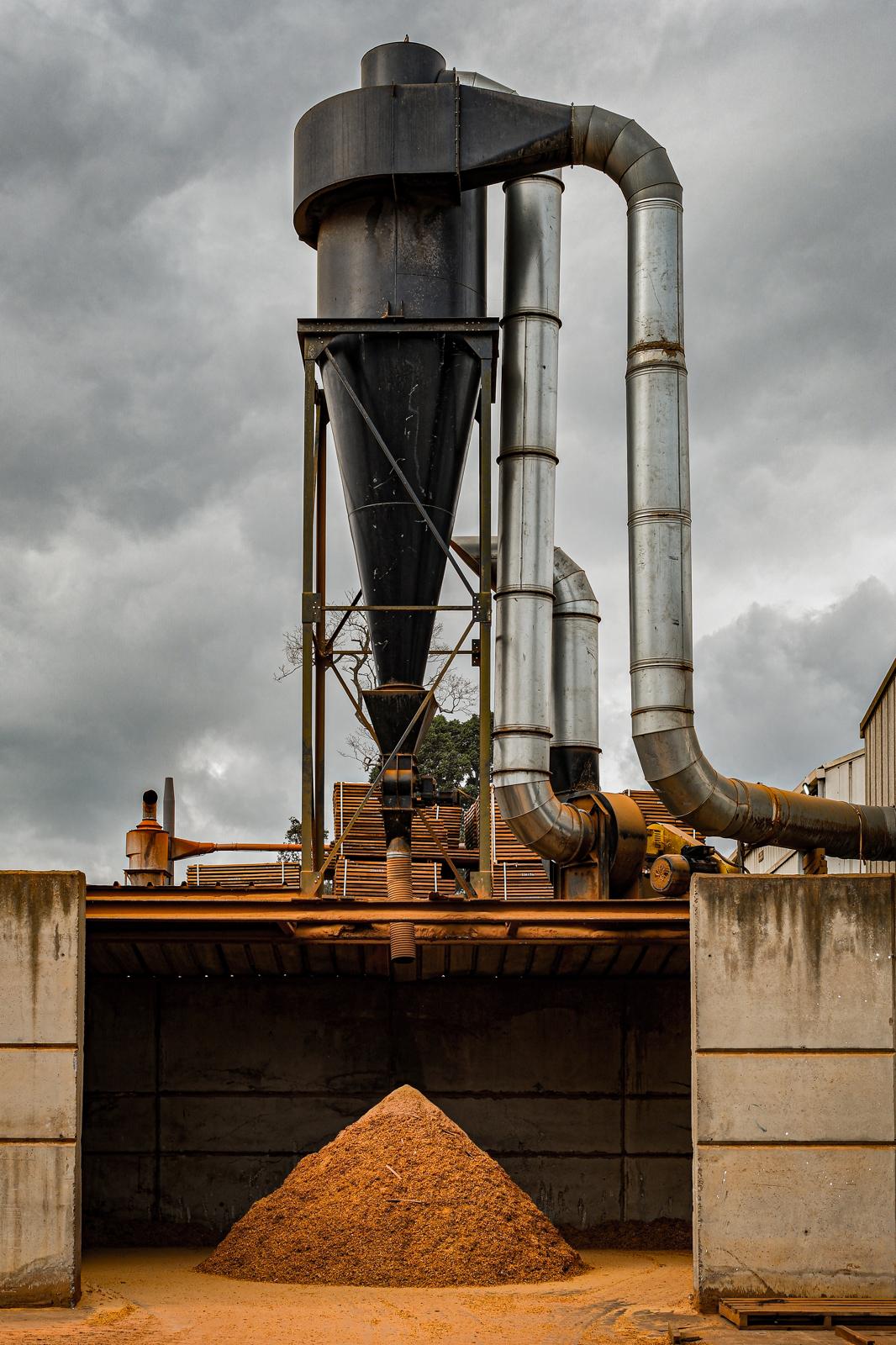
Recognising the importance of the EU market, the government in Yaoundé recently allocated 650,000 hectares to deforestation-free cocoa and, said Agriculture and Rural Development Minister Gabriel Mbaïrobe, the country is fully committed to zero deforestation in cocoa production.
Certification to combat illegal logging
Illegal logging has long been the bane of Cameroon’s certified timber industry, despite timber harvesting and marketing being regulated since 1994. More recent government initiatives — such as the 2024 revised Forestry Law, 75 percent taxes on raw wood exports, ever-broader lists of prohibited tree species and bans on certain types of timber exports — could help reduce illegal forestry, but more remains to be done.
Forest communities often bear the brunt of illegal logging operations, but the EU’s Claudia Antonelli says certification can help them too. “Local taxes paid by forestry companies are one way they contribute to local development. Companies with sustainable certifications also provide support for surrounding villages such as maintaining roads, supporting schools, providing solar panels or engaging with indigenous communities. Forestry companies often operate in isolated areas where they are the sole source of economic activity and development — for example by sourcing food from local suppliers or having direct contracts with producers and small-scale livestock farmers,” she says.
“Forestry value chains offer significant potential to improve the livelihoods of local communities,” agrees ATIBT’s Benoit Jobbé-Duval. “One of the major levers lies in strengthening the links between forestry companies and local communities, particularly through local employment, subcontracting of services and the development of income-generating activities. Forest certification helps to structure these relationships. The EU can play a decisive role by supporting certified forestry companies and local processing businesses.”
Lure of unregulated export markets
However, Jobbé-Duval warns of an ever-present risk of timber producers looking for quick profits from poorly-regulated export markets such as China and Vietnam. “In the short term, this might seem economically attractive, but it would be counterproductive because it would expose Cameroon to increased dependence on volatile markets, which are themselves likely to evolve towards stricter requirements in the long term.”
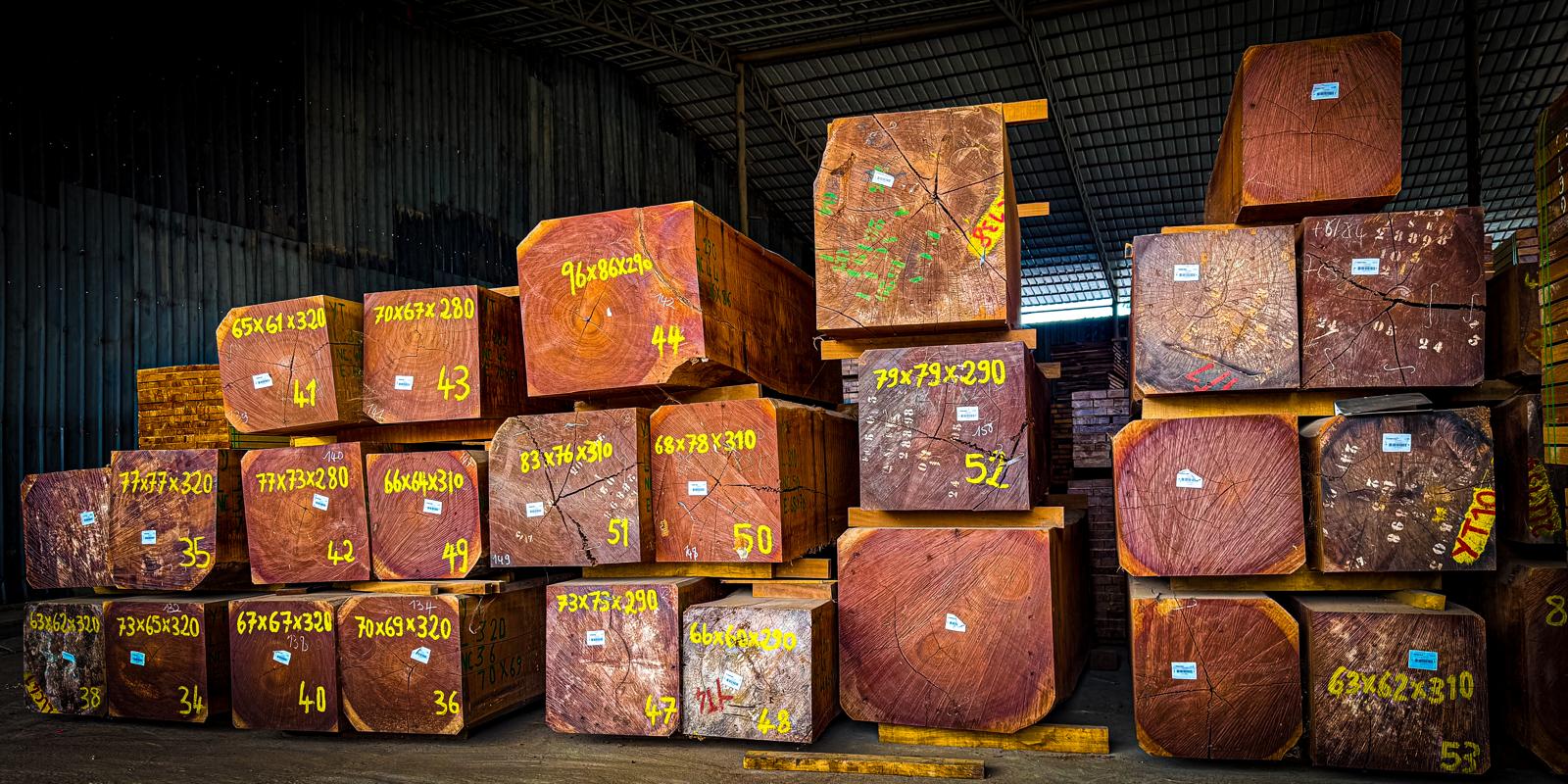
“If producers turn to less sustainable markets, forest resources will be exploited without constraints or sustainability requirements,” says SYNEFOR’s Marti Cyrille Nkie. “As a result, sustainability will no longer be guaranteed, and forests will be depleted in record time.”
However, there are positive signs that China is tightening its own rules on timber imports. “Whether that’s down to changing consumer habits in these regions, or because of the EUDR, China seems to be increasingly interested in legal timber,” says Antonelli. “It could also be due to the slowdown in their own economy which is leading Chinese companies to want to equip themselves to export to the EU.” Whatever the logic, that’s good news for Cameroon’s forests.
Local products for local people
As timber exports come under renewed pressure, the focus is increasingly on domestic and West African markets. “Locally processed timber is becoming increasingly important in terms of added value and employment,” notes Jobbé-Duval. “National policies encourage local processing in order to capture a larger share of the economic value within Cameroon — but there are structural challenges including access to energy, logistics costs, investment financing and workforce skills.”
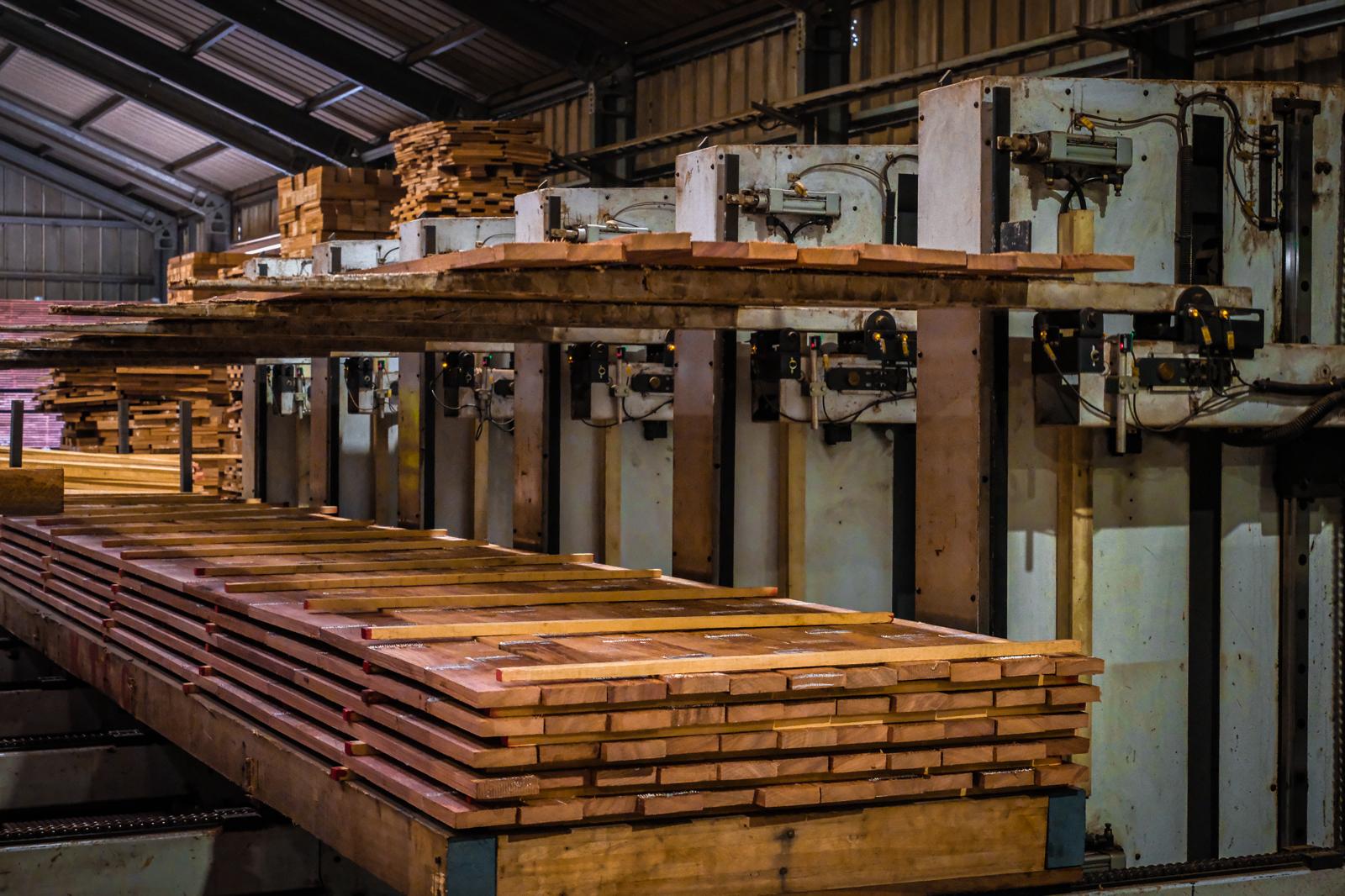
Attention is also turning to so called non-forest timber products (NFTPs) including bamboo, rattan, herbs, spices and natural medicines. Tropical forests are vast storehouses of natural resources supporting livelihoods, food security and biodiversity conservation. According to one recent study, Cameroon is home to more than 700 NFTPs - with the top 16 products worth around US$ 65 million a year.
NFTPs could hold the key to high-value, low-impact exports which directly benefit local Cameroonian forest communities and vulnerable indigenous populations, although their sale is currently mainly limited to local markets.
“NTFPs are an important, though often underestimated, value chain for local actors,” says Jobbé-Duval. “They play a key role in the local economy and rural household incomes, with potential for further development through better structuring, processing and marketing. NTFPs also strengthen the economic autonomy of communities, particularly of women and young people.”
2028: challenges and opportunities
As well as the EUDR, 2028 will also see a total ban on exports of unprocessed timber logs from the Central African Economic and Monetary Community (CEMAC), of which Cameroon is a member. The ban will help accelerate Cameroon’s drive towards 100 percent local timber processing, while adding value to exports.
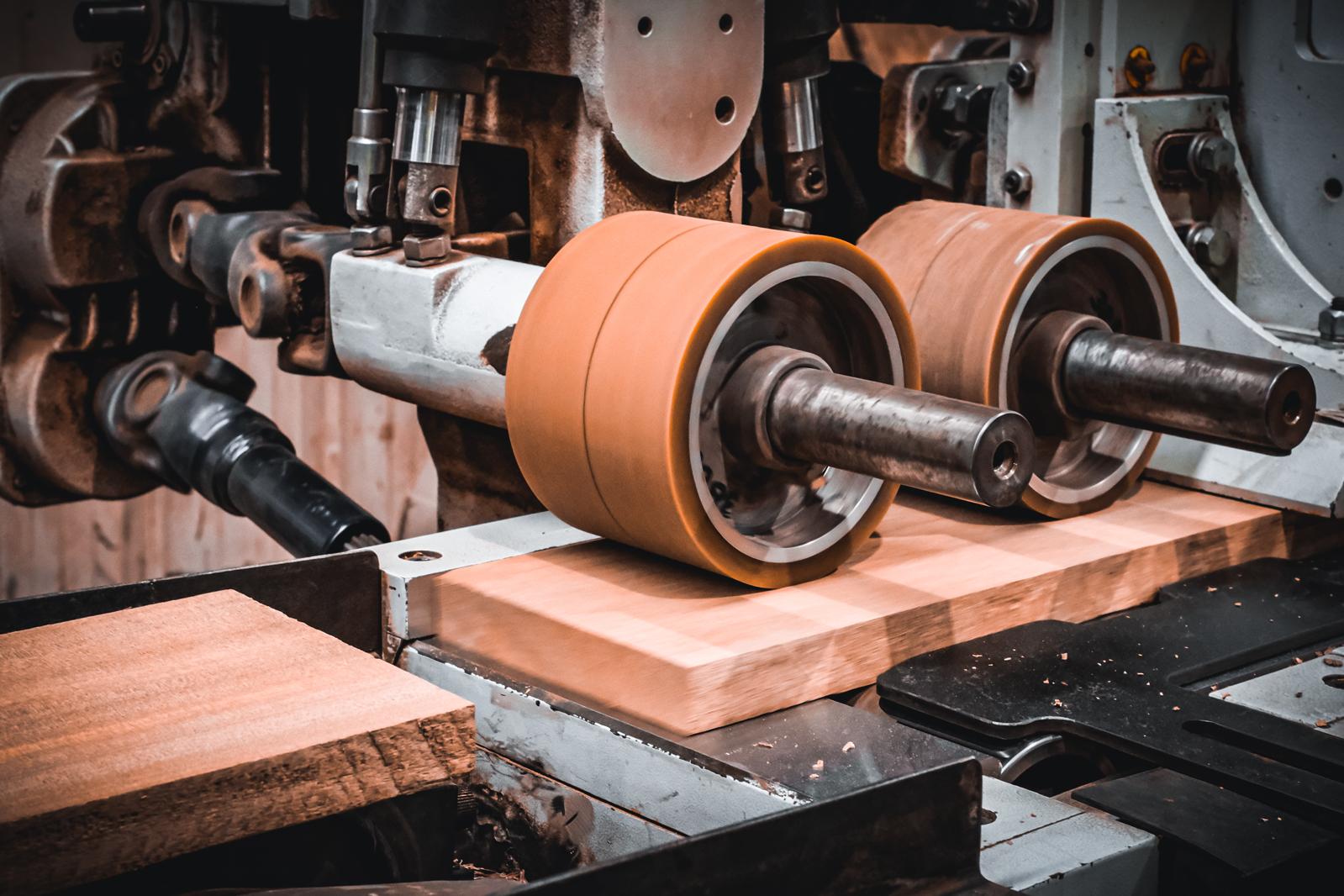
The combination of Cameroon’s new Forest Law, the ban on raw timber exports and the EUDR gives cause for optimism in the coming year. Despite challenges over implementation and enforcement, there’s a sense that a shared responsibility and commitment between the EU and Cameroon — underpinned by robust certification — will really make a difference.
Log in with your EU Login account to post or comment on the platform.