Driving Circularity in Textiles: How UNEP’s InTex Programme Is Helping Tunisia's Denim Industry Go Circular
Discussion details
Denim is one of the world's most iconic fashion staples, but producing a single pair of jeans can require thousands of litres of water, significant amounts of energy, and chemical-intensive manufacturing.
To address these challenges, the United Nations Environment Programme (UNEP)'s InTex programme, funded by the European Union (through DG Environment) and the Government of Denmark, is helping drive sustainability and circularity across textile value chains. Part of the UNEP Textile Initiative, the programme works with small and medium-sized enterprises in textile-producing countries to support their transition towards more sustainable business practices.
By helping factories collect and analyse operational data, InTex enables businesses to identify where environmental impacts occur most and implement practical solutions that deliver measurable improvements.
Tunisia's textile sector offers a compelling example of this transition. As important suppliers to the European market, Tunisian manufacturers are regularly audited against EU requirements and customer expectations, which have focused increasingly on traceability, transparency, durability and environmental performance. While sustainability has long been embedded in the philosophy of many factories, the shift towards cleaner and greener production is also being driven by evolving policy.
The European Union is advancing new rules that will come into effect from 2027 and 2028, including eco-design requirements and digital product information systems, which document the sustainability of materials used in garment manufacturing.
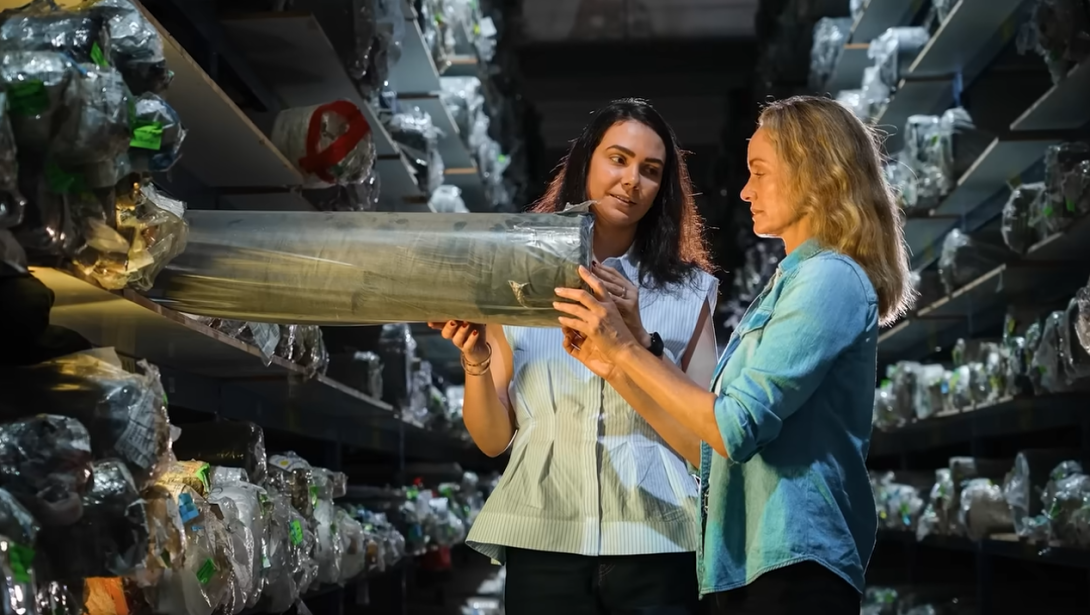
Watch UNEP Goodwill Ambassador Amber Valletta visit leading denim manufacturers in Tunisia to see how innovation, cleaner technologies, digital product information systems, and circular design are helping transform one of fashion's most resource-intensive products. Ultimately, this promotes transparency, showing consumers what it is they’re really buying.
This story is co-funded by the European Union.
Watch the video and read the full story here: https://www.unep.org/.../hidden-environmental-cost-your...
Log in with your EU Login account to post or comment on the platform.