Israel Enabling Environment Baseline Snapshot
Israel is a democratic state with an active and vibrant civil society. It is currently experiencing a continuous narrowing of democratic space including gradual erosion of the freedom of action of civil society organisations and activists. The process intensified and accelerated with the establishment of the current right-wing government in late 2022 and the war that broke out in October 2023, but its beginnings date back more than two decades.
To understand Israel, it is important to know that there are a number of internal rifts at the heart of Israeli discourse. They stem from gaps in religious perceptions, ethnic, national, class divides, and different attitudes towards security policy. In recent years, tensions have intensified between the conservative-religious and nationalist camp, which emphasises the national-Jewish identity of the state, and the liberal camp, which holds pluralistic views and emphasises its democratic identity. These tensions and rifts, which have accompanied Israel for many decades, are expressed in political affiliations and voting patterns.
The conservative-religious and nationalist camp have been in power for most of the last two decades. Despite this, many of its members feel that liberal forces are preventing them from realizing their views and policies. Against this backdrop, the current government – which was formed after five election rounds within three years (between 2019 and 2022) – is working to bring about far-reaching changes in the character of Israeli democracy through what its leaders call 'legal reform' and its opponents call 'a regime coup’. This move aims to erode the long-standing system of checks and balances in Israel. It intends to weaken the legal system, academia, the media, professional bureaucracy, and civil society, while granting additional power and authority to the executive and legislative branches. These efforts have been accompanied by widespread and sustained public protest — unprecedented in scope and duration — reflecting deep concern among many segments of Israeli society. Part of the sharp division in Israel originates from the October 7, 2023 attacks that led to the outbreak of the long and painful war.
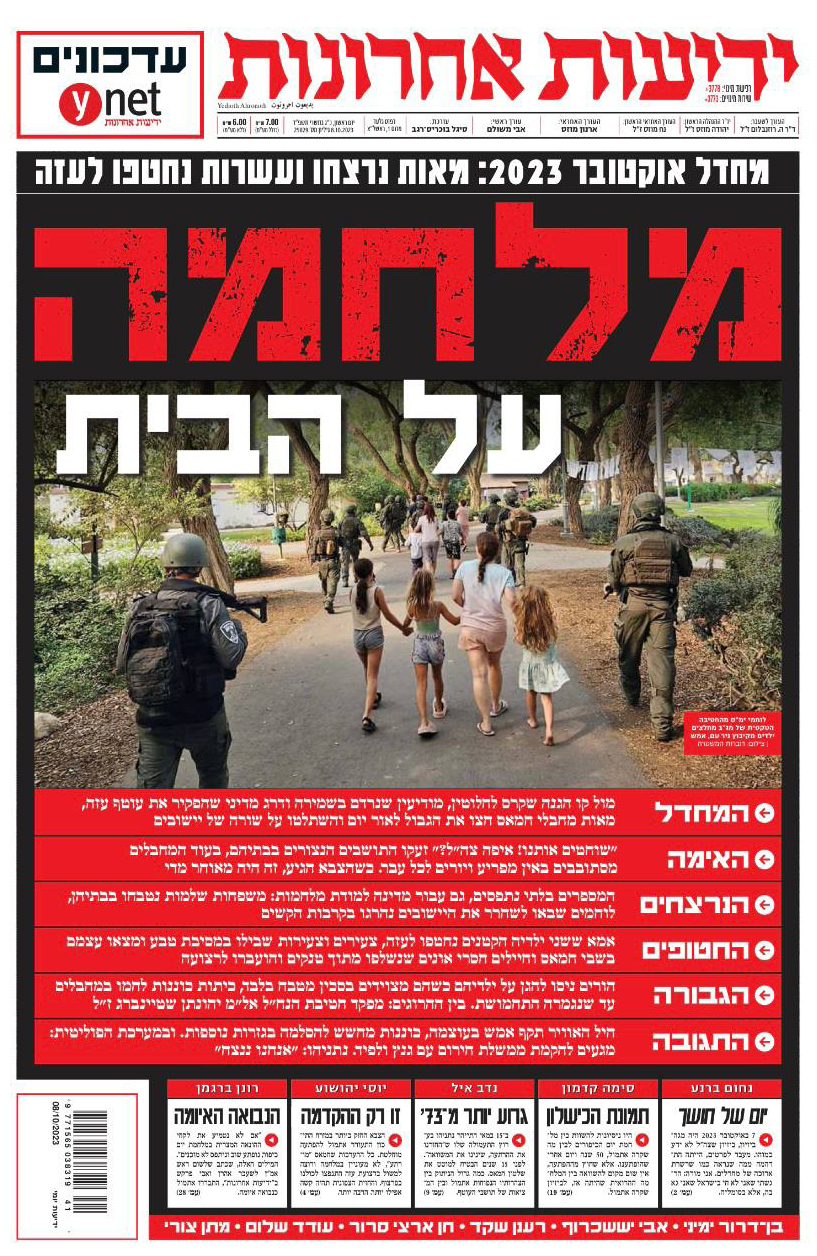
The war, which came completely by surprise, caused many casualties and resulted in severe psychological harm. Due to immediate danger, tens of thousands of Israeli families had to evacuate their homes. Civil society responded with an extraordinary level of civic response, providing emergency housing, food and clothing, psychological assistance, and more. In many cases, CSOs response was a substitute for government service that were unable to adequately respond to the immense need in real time.
As the war continued and worsened, some of this civic energy was diverted into protest activities, primarily demanding that the government act to bring about the release of the Israeli hostages. At the same time, there were calls and protests, more limited in scope, among the Jewish and Arab public in Israel, to stop the war, avoid civilian casualties, ensure humanitarian assistance entered the Gaza Strip, and promote a political solution to the Israeli-Palestinian conflict.
Despite changes that the current government is promoting, it is possible to demonstrate, protest, speak out against the government, establish civic organisations, and take action in the public and political arena. Legal system officials are speaking out, there are protests almost daily, and the discourse from those supporting the government and those opposing it is lively and heated. An analysis of new legislation, bills currently being promoted, and government decisions and actions (see below), make many people feel that we cannot assume that current levels of enabling environment will be guaranteed in the future.
Log in with your EU Login account to post or comment on the platform.