Madagascar validates its national energy efficiency strategy

News details
On 30 June 2026, Madagascar became the first of four African Energy Efficiency Strategy (AfEES) pilot countries to validate both a National Energy Efficiency Strategy and Action Plan and national guidelines on the energy performance of buildings.
A continental first
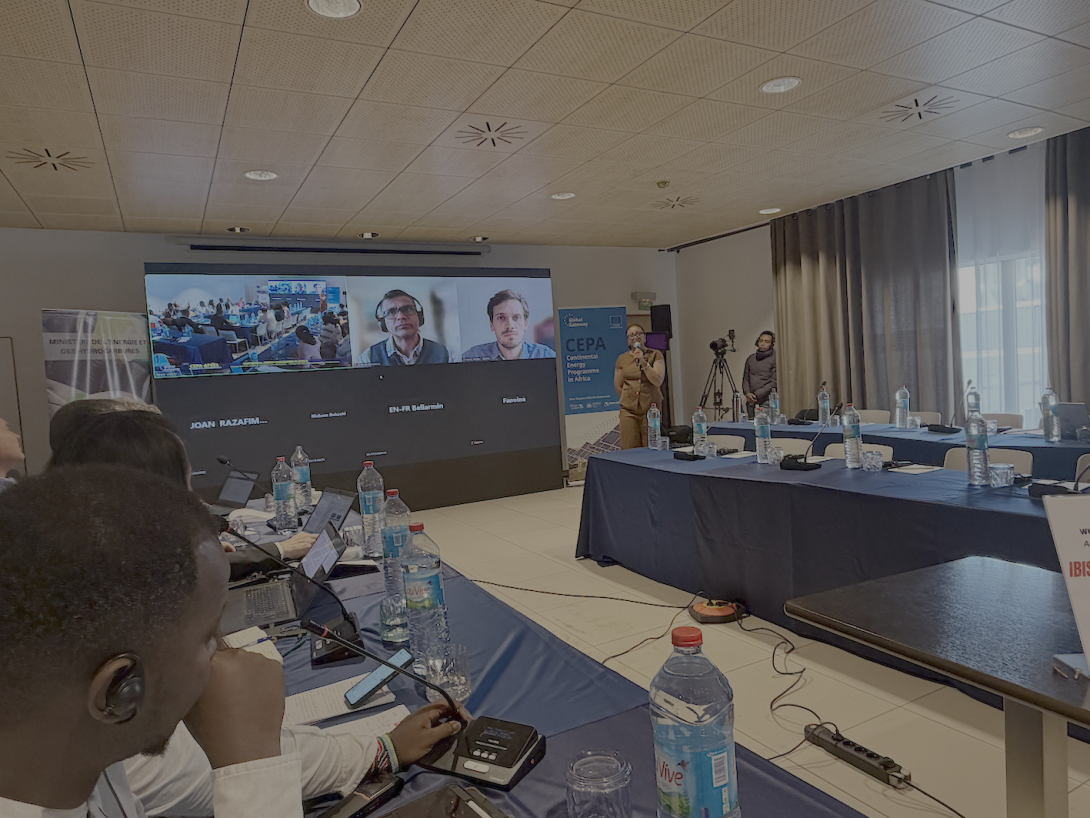
Around sixty senior representatives of Madagascar's energy sector including line ministries, the national utility JIRAMA, the National Energy Efficiency Committee, the private sector, financial institutions, development partners, civil society and academia gathered in Antananarivo to formally validate the country's National Energy Efficiency Strategy and Action Plan (NEESAP) and its Guidelines on the Energy Performance of Buildings (EPB), together with minimum energy performance standards.
The workshop was convened by the Ministry of Energy and Hydrocarbons, the European Union Delegation to Madagascar and the African Energy Commission (AFREC), the African Union's specialised agency for energy. Madagascar is the first of the four AfEES pilot countries — alongside Senegal, Burundi and Zimbabwe — to reach this milestone, making it an early reference for the continental roll-out of the strategy and a demonstration of how a continental framework, led by an African Union institution and supported by the European Union, can become a validated national policy package within a single year.
Four instruments in twelve months
Joint work by the Ministry, AFREC and the team of the Continental Energy Programme in Africa (CEPA), in close consultation with Malagasy stakeholders, produced four complementary instruments:
- Long-term energy pathway modelling to 2065, showing Madagascar can reduce final energy consumption while sustaining economic development;
- Guidelines on the Energy Performance of Buildings — a foundational document for the construction sector;
- A public-building certification tool (MEPRs / EPB Scorecard), a first for Madagascar; and
- The NEESAP itself, covering industry, commercial and services, buildings, appliances and clean cooking, transport, and the supply side (electricity and charcoal).
From validation to investment
Participants confirmed that Madagascar's ambition is aligned with the AfEES continental targets and Agenda 2063, and took shared ownership of the delivery agenda across ministries, JIRAMA, the National Energy Efficiency Committee, the private sector and development partners. The workshop also mapped how the validated actions can become bankable energy-efficiency projects, opening the way to financing under Global Gateway and Team Europe instruments. Bilateral discussions initiated during the mission will now feed into proposals for financing mechanisms, while the Ministry and the Committee lead the operational roll-out — and the other three pilot countries gain a benchmark and a body of practical experience.
Log in with your EU Login account to post or comment on the platform.