Harmony in habitat: the Morijo-Loita Corridor in Kenya

Discussion details
In Kenya, a long-term development plan (2026-2035) has been established to guide sustainable growth of the Morijo-Loita Trading Centre, close to the Maasai Mara National Reserve, while safeguarding critical wildlife corridors and promoting harmony between conservation and urban development.
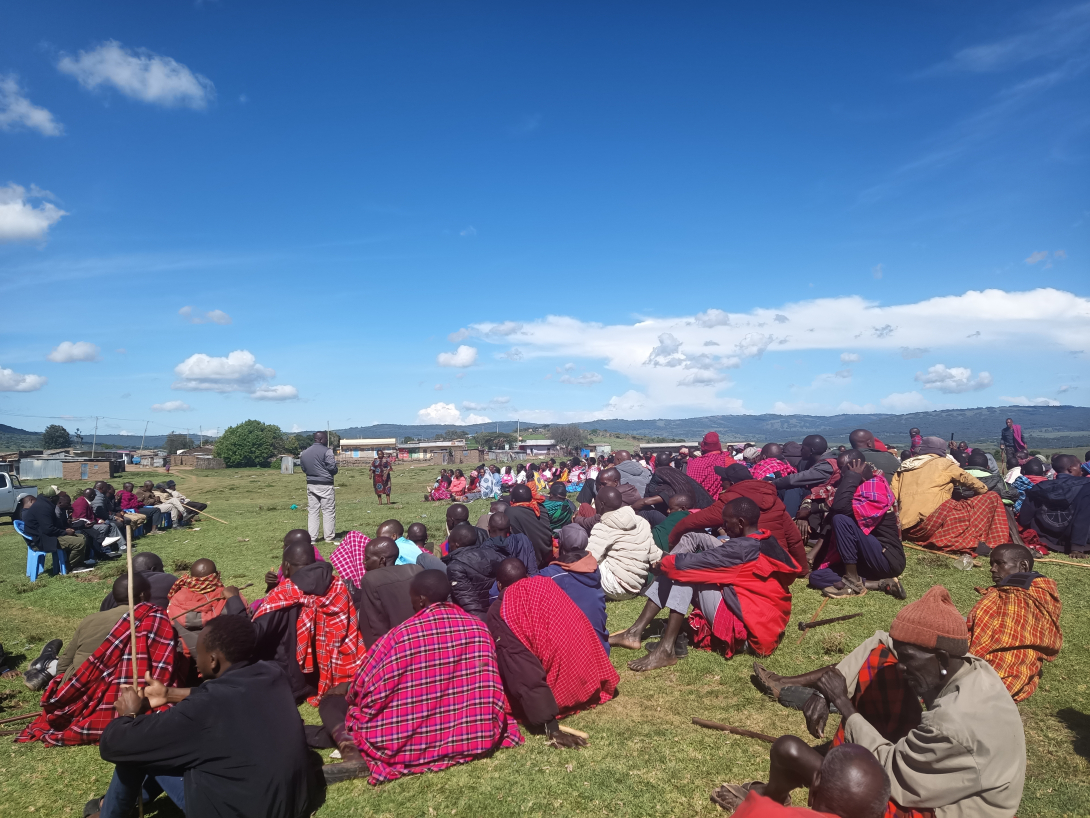
Morijo Trading Centre, located in Loita Ward, Narok South Sub-County, Kenya, is an emerging urban centre adjacent to the Loita Forest and a critical wildlife corridor in the Greater Mara ecosystem, which includes the Maasai Mara and Serengeti, known for the world's largest land mammal migration.
In recent years, the rapid growth of emerging trading centres around the Maasai Mara National Reserve represents a dramatic shift from traditional communal pastoralism to commercial urbanisation. Increasing trade, population growth, and improved accessibility have driven rapid but largely unplanned expansion, resulting in fragmented land use, inadequate infrastructure, and encroachment into critical ecological sensitive areas. These pressures threaten ecological connectivity, increase the risk of human-wildlife conflict, and undermine sustainable development.
Balancing urban growth and wildlife protection
To address these challenges, a comprehensive development plan for 2026-2035 has been developed, with support from the EU 'Harmony in Habitat' project. The plan guides where and how the town will grow by integrating land-use planning, infrastructure development, urban expansion strategies, and conservation measures. By balancing economic development with biodiversity protection, it aims to safeguard the wildlife corridor, strengthen community resilience, and ensure sustainable urban growth for Morijo Trading Centre and the surrounding landscape over the next decade. The 143-hectare Morijo–Loita Centre development plan establishes a framework for sustainable urban growth while protecting a key wildlife corridor, directly benefiting more than 800 people and strengthening environmental resilience, economic opportunities, and service delivery for approximately 13 000-15 000 residents of Loita Ward.
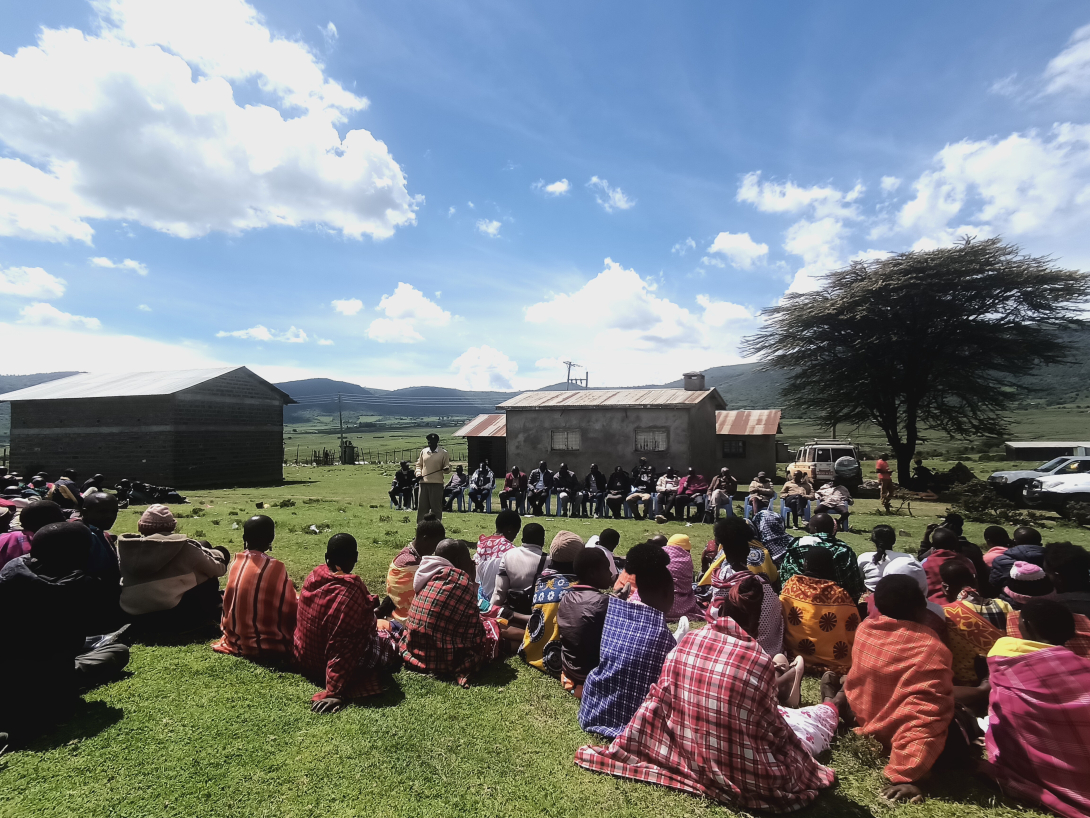
© WWF-Kenya
Institutional framework ensures long-term sustainability
The plan has been developed as part of the EU NaturAfrica project 'Harmony in Habitat: Empowering Communities for Nature’s Resilience' in the key landscape for conservation and development of Southern Kenya-Northern Tanzania (SOKNOT) . It is implemented by WWF-Kenya working in partnership with Narok County's Department of Lands, Housing, Physical Planning and Urban Development and the Kenyan State Department of Physical Planning. It directly addresses support to implementation of the Narok County Spatial plan directly answering to landscape level connectivity targets (connecting Maasai Mara to Loita Forest) while promoting sustainable urban growth and developments in the landscape.
Team Europe approach
In the same landscape, WWF Germany provides support for a separate project ('More Space for Wildlife') to secure critical wildlife corridors by leasing land from willing community members for conservation purposes. The lease payments are performance-based and linked to the achievement of agreed ecological targets, creating incentives for long-term habitat conservation and wildlife connectivity.
With support from BMZ through WWF Germany, three milk coolers (total capacity 9 000 litres) were installed as aggregation and collection centres, enabling farmers in remote villages to safely store and market their milk. This has reduced post-harvest losses, improved assurance for market access for local (village level) dairy producers.
Potential for private sector engagement
Although not yet operational, there is significant potential to partner with Brookside Dairy Limited, Kenya’s largest milk processor, to off-take milk aggregated through the three strategically located milk coolers installed in the landscape. Such a partnership would strengthen market access for dairy farmers and provide a major boost to the dairy value chain by increasing incomes and creating more reliable market opportunities for local producers.
Integrating development in a conservation landscape: Global Gateway in practice
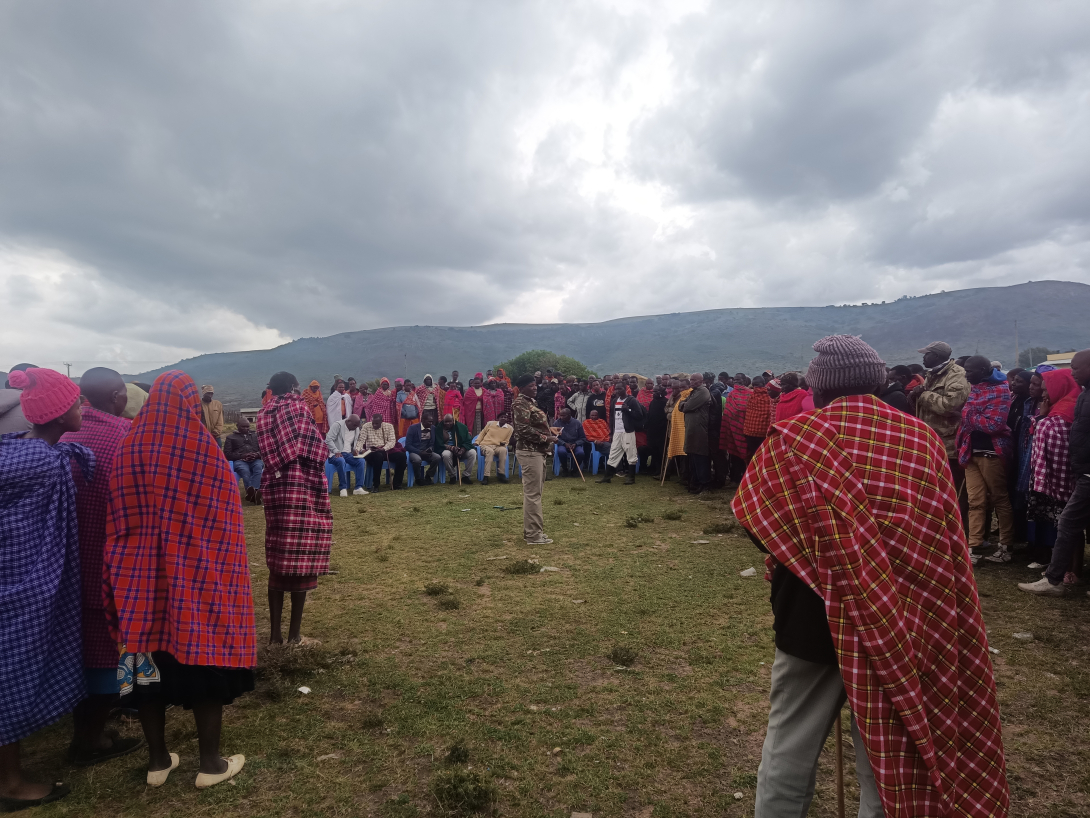
The Morijo–Loita Development Plan exemplifies the EU Global Gateway approach by promoting sustainable infrastructure and urban development, biodiversity conservation, inclusive governance, and green economic growth within a critical conservation landscape.
By guiding the sustainable development of 143 hectares while protecting a key wildlife corridor, the plan demonstrates how investments in planning and infrastructure can strengthen local livelihoods, enhance climate resilience, safeguard natural capital, and ensure that development benefits both people and nature. It also supports participatory decision-making and long-term landscape sustainability, reflecting the integrated development approach championed by the EU Global Gateway and NaturAfrica initiatives.
Log in with your EU Login account to post or comment on the platform.