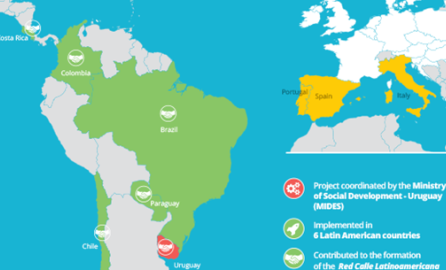
Description
Homelessness remains one of the most visible and severe manifestations of extreme poverty and social exclusion in Latin America. Individuals experiencing homelessness often face multifaceted challenges, including lack of access to adequate housing, healthcare, education, and employment opportunities. Public policies addressing homelessness have historically been fragmented and insufficient, necessitating a coordinated and comprehensive approach. The Red Calle project aimed to:
- Enhance the effectiveness of public policies targeting homelessness.
- Raise awareness among public institutions and civil society about the realities and needs of homeless populations.
-
Promote social inclusion and improve the quality of life for individuals experiencing homelessness.
Objective: Influencing public authorities and sensitizing civil society to the cause of the homeless by means of a more effective people care policy aimed at improving their living conditions. To achieve its objectives, the project implemented several key activities:
- Technical Assistance Missions: Conducted missions to partner countries to provide technical support, assess existing policies, and recommend improvements tailored to each national context.
- Study Visits and Knowledge Exchange: Organized study visits to countries with advanced homelessness policies, such as Portugal, to learn from successful initiatives like the "Housing First" model implemented by the CRESCER association in Lisbon.
- International Conferences and Seminars: Participated in international events, including the FEANTSA Policy Conference in Porto and the European Research Conference in Helsingborg, to exchange knowledge and present research findings related to homelessness.
- Comparative Diagnostics: Conducted comparative analyses among participating countries to understand the current state of public policies aimed at addressing homelessness, identifying strengths, weaknesses, and areas for improvement.
- Development of Regional Guidelines: Formulated regional guidelines and minimum standards for service provision to homeless individuals, ensuring access to essential services such as healthcare, housing, and social protection.
Cross-Cutting Themes
The project integrated several cross-cutting themes to ensure a comprehensive approach to development:
- Social Inclusion: Emphasized the importance of integrating homeless individuals into society by addressing systemic barriers and promoting equal opportunities.
- Human Rights: Framed homelessness as a human rights issue, advocating for the protection and fulfillment of the rights of homeless individuals.
-
Sustainable Development: Aligned project activities with the Sustainable Development Goals (SDGs), particularly those related to poverty reduction, health, and sustainable cities.
Expected results
- Strengthened national public policies on homelessness across six Latin American countries.
- Increased capacity of public officials and frontline workers to design and deliver inclusive care.
- Improved coordination between ministries and agencies involved in homelessness response.
- Established regional benchmarks and standards for public services targeting homeless populations.
- Enhanced international cooperation and peer learning between Europe and Latin America.