Description
Rural populations in Latin America face challenges related to economic sustainability and access to viable livelihoods. SEDA project addressed these issues by:
- Transferring knowledge and experiences to achieve sustainable economic growth and improve the quality of life of rural populations through sericulture.
- Providing training, tools, and appropriate technology to support women and vulnerable populations in developing a sustainable economic activity.
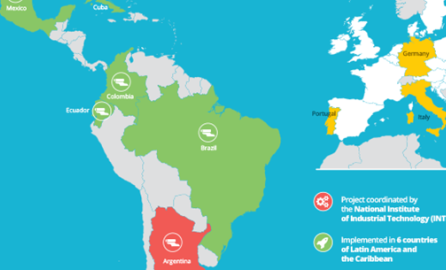
- Establishing research centers in Argentina, Brazil, Cuba, and Mexico to enhance technical and organizational capacities.
To achieve the objective of "Providing training, tools and appropriate technology for sericulture to support women and vulnerable populations develop a sustainable economic activity", the project has implemented several key activities:
- Training and Technical Assistance: Provided capacity-building sessions for officials, employees, and individuals involved in sericulture production and training.
- Establishment of Research Centers: Built and equipped research centers in participating countries to support sericulture development and innovation.
- Exchange of Experiences: Facilitated interactions among partner institutions to share best practices and methodologies in sericulture.
- Participation in local and international industry events to showcase project activities and promote sustainable sericulture.
Through its comprehensive approach, the project achieved the following outcomes:
- Enhanced technical and organizational capacities within participating institutions.
- Increased economic opportunities for women and vulnerable populations through sustainable sericulture.
- Improved environmental sustainability through the promotion of agrochemical-free production methods.
- Strengthened collaboration and knowledge exchange among partner institutions.
Beneficiaries
- Officials and employees of the project's partner institutions.
- People in charge of the management of institutions involved in training in sericulture and sericulture production.
- Cooperatives, entrepreneurs of marginal sectors, small farmers, small craftsmen and sericulture producers of the involved countries.
- Family units and communities of the project's direct beneficiaries.
Sustainable Development
This project aimed to contribute to the reduction of poverty in several countries in the Latin American region through the development of sustainable sericulture. To do so, the technical and organisational capacity of the recipient organisations increased, and appropriate sustainable sericulture technology development was strengthened. In the same way, access to critical inputs for sericulture production in Latin America was improved and communication and horizontal South-South cooperation was strengthened.
At the end of the project, there are several operating demonstration centres available, with professionals trained in all the sustainable sericulture techniques and collaborating on a South-South network. In addition, the value chain of the silk is strengthened, and its production improved.
Aligned project activities with the Sustainable Development Goals, particularly focusing on SDG 1 poverty reduction, SDG 5 gender equality, SDG 8 decent work, SDG12 responsible production, among others.