Description
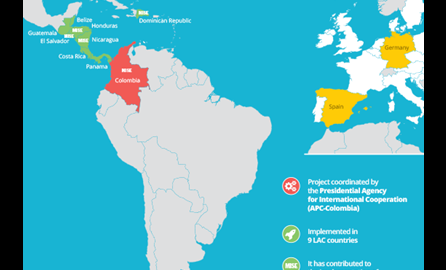
The project has facilitated the transfer of knowledge and best practices from Colombia to Mesoamerica, strengthening the capacities of entrepreneurs, chambers of commerce, and governments. It has promoted the adaptation of successful models, such as the "Comprehensive Business Services Model – MISE" from the Bogotá Chamber of Commerce, contributing to the development and strengthening of MSMEs. Additionally, it has fostered the creation of regional collaboration networks and enhanced business competitiveness in the region.
To achieve its objectives, the project implemented several key activities:
- Knowledge Transfer and Methodology Implementation: Developed and applied broad and participatory methodologies for knowledge transfer, enabling replication of successful practices in different countries by participating institutions.
- Training and Capacity Building: Conducted training sessions for officials, employees of ministries, public bodies, and support organizations within the entrepreneurial ecosystems of the participating countries.
- Study Visits and Experience Exchanges: Organized study visits to Colombia and Spain, including participation in events like the South Summit in Madrid, to learn from international experiences in entrepreneurship policy planning and management.
- Development of Financial Support Tools: Introduced financial tools such as seed capital funds and angel investing mechanisms to facilitate access to financing for entrepreneurs in the beneficiary countries.
- Publications and Resource Development: Produced guides and publications, such as the SENA Entrepreneurship Model book, to provide methodological support for entities promoting entrepreneurship.
Cross-Cutting Themes
The project integrated several cross-cutting themes to ensure a comprehensive approach to development:
- Poverty Reduction: By strengthening entrepreneurial skills and supporting business development, the project contributed to reducing poverty levels in the participating countries.
- Economic Growth and Employment: Promoted development-oriented policies that support productive activities, decent job creation, and entrepreneurship.
Innovation and Industry: Enhanced the integration of small-scale enterprises into value chains and markets, increasing their access to financial services and fostering innovation.
The EDEM Project achieved significant results in the Mesoamerican region, benefiting 400 micro, small, and medium-sized enterprises (MSMEs) through the implementation of the Comprehensive Business Services Model (MISE), transferred by the Bogotá Chamber of Commerce to five local chambers of commerce, improving the quality of services provided to the business sector. Additionally, the project facilitated the transfer of Colombian tools to ministries of commerce, CENPROMYPE, and other key stakeholders within entrepreneurship ecosystems, benefiting hundreds of entrepreneurs by helping them define and develop their business ideas. European contributions included the adoption of best practices and innovative methodologies observed in Spanish institutions, such as the MAKE Methodology, as well as participation in the South Summit event, which expanded collaboration networks and increased the project’s visibility. Together, these efforts strengthened business capacities, promoted innovation, and contributed to the region’s economic development, aligning with the goals of the 2030 Agenda for Sustainable Development.